
1. A Warm Plate for a Warm Experience
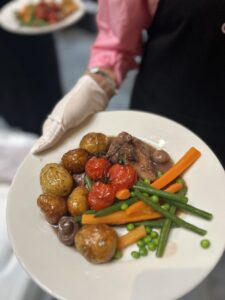
One of the simplest ways to elevate a guest’s dining experience happens before the food even hits the table: ser
ving hot dishes on warm plates. A gently heated plate keeps food at its ideal temperature longer, preserving texture, aroma, and presentation. A perfectly seared steak or a creamy risotto cools surprisingly fast on a cold plate, which can dull flavours and make the dish feel less vibrant. Warming plates is easy — a few minutes in a low oven or a quick pass through a plate warmer is all it takes. It’s a sm
all front-of-house detail that makes service feel more polished and ensures guests enjoy each bite exactly as the chef intended. For desserts or chilled starters, the same logic applies in reverse: cold plates enhance freshness and help maintain structure. Temperature control might seem minor, but in service, it’s one of those quiet touches that shows real care.
2. The “Salt Early” Technique
Seasoning isn’t just about taste — it’s about texture. Salting ingredients early, especially vegetables or proteins, helps draw out moisture and deepen flavour. For vegetables like mushrooms or courgettes, adding salt right at the start encourages them to release their water and caramelise properly instead of steaming. For meats like chicken thighs or pork chops, seasoning them 20–30 minutes before cooking gives the salt time to penetrate, resulting in more even seasoning throughout. It’s a small change to timing, but it transforms both flavour and texture. Just remember: early salting enhances, but last-minute salting mainly sits on the surface.
2. Dry Before You Fry
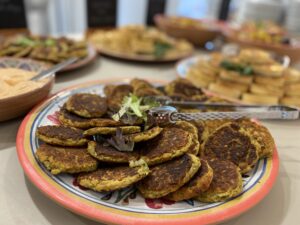
Moisture is the enemy of crispiness. Whether you’re searing fish, browning mince, or crisping Fritters, patting ingredients dry before they hit the pan makes a massive difference. Excess water cools the pan and causes steaming instead of browning. A quick blot with a paper towel creates instant improvement: better crust, better colour, better flavour. It’s especially crucial with proteins — a dry surface means proper caramelisation, and that browning is where the savoury complexity lives.